

London Project Helps More Than 300 People
Posted on 12th May 2026
A project to help equip London’s minoritised ethnic women and families with tailored money and energy advice has supported more than 300 people.
The work saw expert advisors from Hopscotch Women’s Centre run workshops across the capital as well as outreach sessions in targeted locations, giving individuals the practical knowledge and tools they need to take control of their finances.
Workshops covered income maximisation, understanding the basics of money, the power of financial independence, budgeting solutions and efficient energy usage – all centred around the cost-of-living crisis.
The impact has been impressive, with the team helping to record more than £11,000 worth of financial gains for clients, including over £4,000 for a single client.
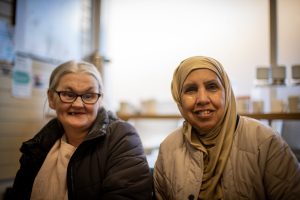
Isabelle Terrisson, Head of Programmes at Hopscotch Women’s Centre, said: “Demand for the service has been consistently high, reflecting the significant financial pressures faced by the communities we serve.
“The recorded gains include income maximisation through benefit applications, discretionary payments, and support to address arrears and reduce financial strain. Alongside this, many participants have reported improved confidence in managing household budgets and a greater understanding of how to reduce energy consumption and associated costs.
“The sessions cover budgeting skills, energy awareness, the relationship between money and mental health, and practical strategies to reduce household bills. They are deliver in a culturally sensitive and accessible format, with particular attention to supporting Bangladeshi community members who experience language barriers. Workshops have been delivered in Bengali where needed, ensuring participants can fully engage with and understand the information provided. Feedback has been very positive, with high attendance levels and strong engagement.
“Participants report that they have learned new skills and practical knowledge, and many have shared this information with friends and family, extending the project’s reach within the wider community.”
Isabelle says the team have seen clear trends throughout their work over the last year, with the cost-of-living crisis still hitting household families hard.
She added: “Many of the individuals we support are struggling to balance essential household expenses, including rent, utilities, and food. Increasing energy tariffs and confusion around billing, usage, and supplier communication are common concerns. Budgeting challenges are often compounded by limited understanding of the benefits system, language barriers, and, in some cases, digital exclusion. These intersecting issues highlight the importance of accessible, early financial education and tailored support.”
The project is helping people like Mr A*, who was facing over £7,000 in rent arrears due to the benefit cap and had been receiving threatening letters from his landlord. With limited English, he was struggling and was anxious about the risk of eviction.
The Hopscotch team assessed his circumstances and supported him in successfully applying for a Discretionary Housing Payment worth £4,150. A manageable payment plan was arrange for the remaining balance to reduce the financial burden he was under and alleviate his stresses.
As well as running workshops, the team have also delivered early intervention sessions to 16 young people aged 12-14, focused on energy saving to help participants understand where energy comes from, why energy saving is important and how small changes can make a big difference.
*name changed to protect identity